
Decoding PCOD: Unraveling the Mystery of This Hormonal Disorder
- Home
- Gynecology
- Decoding PCOD: Unraveling the Mystery of This Hormonal Disorder
- MITR Hospital
- 0 Comments
Decoding PCOD: Unraveling the Mystery of This Hormonal Disorder
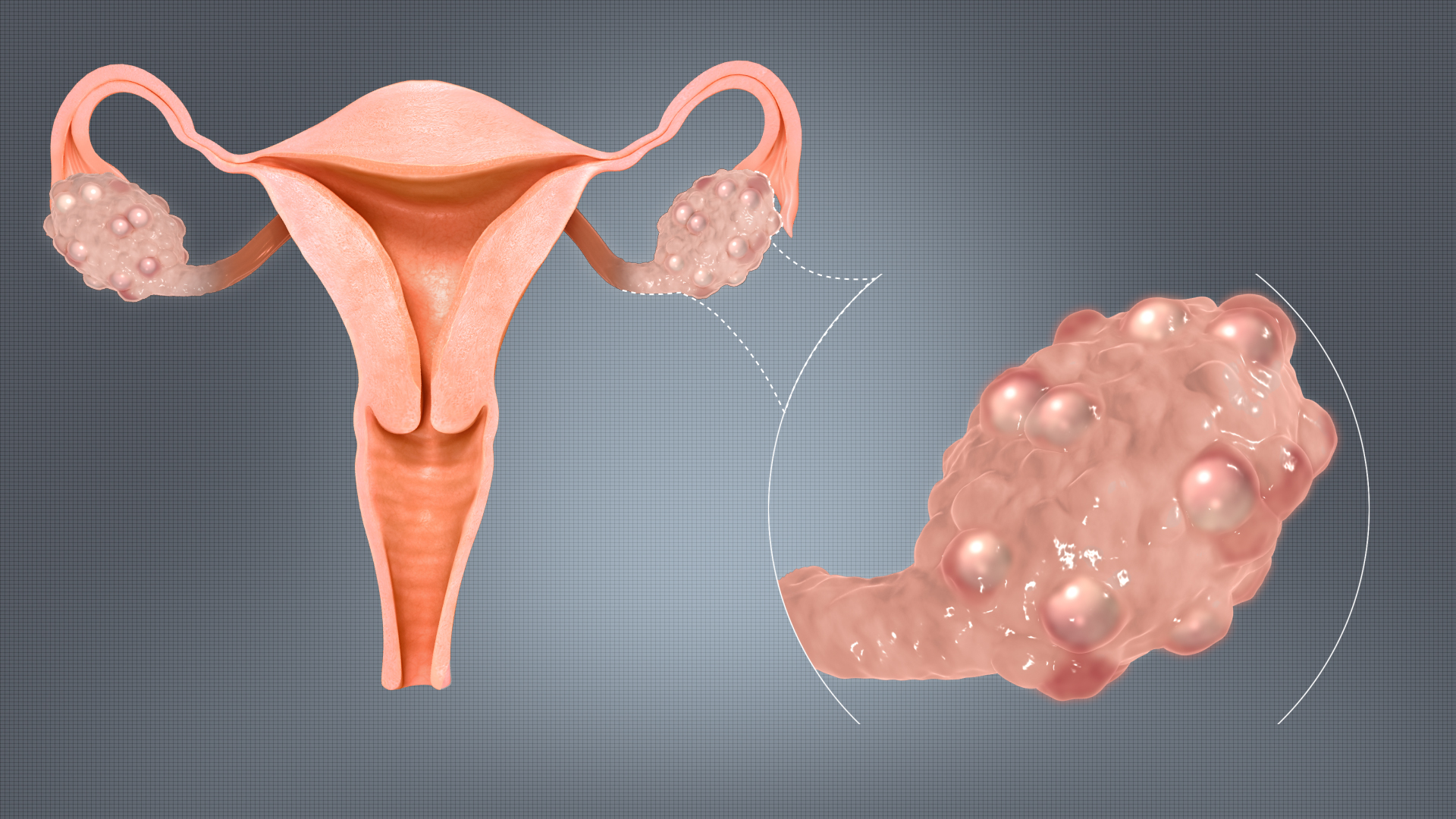
Polycystic Ovarian Disease (PCOD), a term familiar to many, is more than just an ordinary health concern. It’s a complex interplay of hormonal imbalances, metabolic disorders, and their subsequent impact on various systems within the body. In recent times, PCOD has earned the label of a lifestyle disease, reflecting its multifaceted nature and its far-reaching effects, including implications for the cardiovascular system.
Table of Contents
Understanding the Hormonal Disorders:
At the heart of PCOD lies an intricate web of hormonal imbalances, primarily affecting reproductive hormones. The disorder often leads to ovulatory dysfunction, resulting in anovulatory menstrual cycles. This means that the release of eggs doesn’t occur as it should, creating a cascade of hormonal deficiencies post-ovulation, contributing to the overall hormonal imbalance.
The Role of Thyroid Dysfunction:
PCOD and thyroid dysfunction often go hand in hand, further complicating the hormonal landscape. The interplay between these two conditions can exacerbate the hormonal imbalance, contributing to the manifestation of PCOD symptoms.
Recognizing the Signs and Symptoms:
Menstrual Disturbances:
Absent or irregular menstrual cycles.
Short menstrual cycles.
Poor menstrual flow.
Intermenstrual spotting.
Digestive System Complaints:
Bloating.
Irritable bowel syndrome.
Constipation.
Physical Manifestations:
Excessive facial hair growth (hirsutism).
Acne.
Metabolic Impact:
Elevated blood sugars.
Signs of hyperpigmentation, especially around the neck
Understanding the Lifestyle Connection:
PCOD is not merely a hormonal disorder; it is deeply intertwined with lifestyle factors. Factors such as diet, exercise, and stress management play pivotal roles in the management and, to some extent, prevention of PCOD. Adopting a holistic approach that addresses both the hormonal and lifestyle aspects is crucial for effective management.
Conclusion:
Deciphering the mysteries of PCOD requires a comprehensive understanding of its hormonal intricacies and its impact on various bodily systems. Recognizing the signs and symptoms early on, understanding the role of lifestyle factors, and seeking timely medical intervention can pave the way for effective management and a better quality of life for those navigating the challenges posed by PCOD. As we unravel the complexities of this condition, it becomes evident that a holistic approach, combining medical expertise and lifestyle adjustments, is key to empowering individuals in their journey towards hormonal balance and overall well-being.
FAQs Understanding Hormonal Disorder: Decoding PCOD
PCOD (Polycystic Ovarian Disease) is a hormonal disorder that affects the ovaries and causes hormonal imbalance, irregular ovulation, and various metabolic changes in the body.
Common symptoms of PCOD include irregular periods, missed periods, acne, excessive facial hair growth, weight gain, bloating, and skin darkening around the neck.
Yes. PCOD commonly affects ovulation, which can lead to absent, delayed, irregular, or short menstrual cycles.
PCOD can affect fertility because irregular or absent ovulation may make it difficult to conceive naturally. However, treatment and lifestyle modifications can improve reproductive outcomes.
Yes. Hormonal imbalance and insulin resistance linked with PCOD can contribute to weight gain and difficulty losing weight.
Thyroid dysfunction can coexist with PCOD and may worsen hormonal imbalances, leading to more severe symptoms and menstrual irregularities.
Yes. Women with PCOD may develop insulin resistance, which can increase blood sugar levels and raise the risk of developing diabetes.
Yes. Healthy eating habits, regular physical activity, stress management, and maintaining a healthy weight can play an important role in managing PCOD symptoms.
PCOD is diagnosed based on symptoms, medical history, physical examination, blood hormone tests, and ultrasound imaging of the ovaries.
There is no permanent cure for PCOD, but symptoms can often be effectively managed through medications, lifestyle modifications, and regular medical monitoring.