


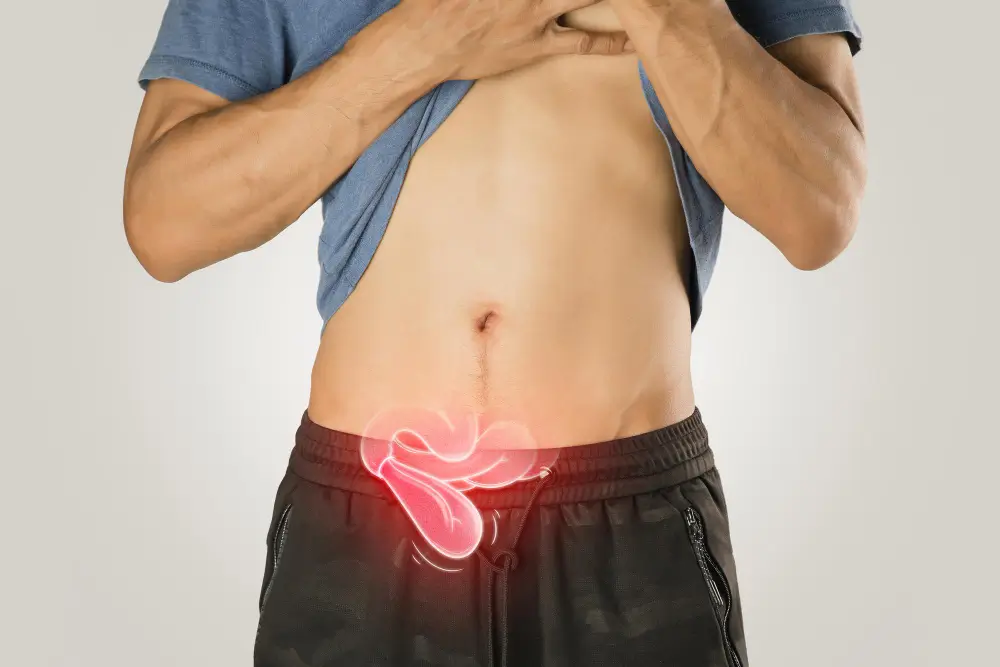
A hernia occurs when an organ or tissue pushes through a weak spot in the surrounding
muscle or connective tissue. Most commonly, hernias occur in the abdomen, but they can also develop in the groin, belly button, or upper thigh.
1. Inguinal Hernia
This is the most common type and occurs in the groin area. It’s more prevalent in men than women.
2. Umbilical Hernia
Seen around the belly button, this type is more common in infants but can also affect adults.
3. Hiatal Hernia
Occurs when part of the stomach pushes into the chest through the diaphragm. It may cause acid reflux or heartburn.
4. Incisional Hernia
Developed through a scar from a previous abdominal surgery.
5. Inguinoscrotal Hernia
1. Visible Bulge
One of the first and most noticeable symptoms is a lump or bulge in the affected area. This bulge may disappear when lying down and become more prominent when standing or straining.
2. Pain or Discomfort
A dull ache or sharp pain may be felt, especially during activities like lifting, bending, or coughing.
3. Pressure or Heaviness
A constant feeling of pressure or heaviness in the abdomen or groin area may suggest an underlying hernia.
4. Burning or Gurgling Sensation
These unusual sensations around the bulge area are caused by the organ pushing through muscle tissue.
5. Digestive Issues
In cases like hiatal hernia, symptoms may include acid reflux, bloating, or difficulty
swallowing.
You should consult a doctor immediately if you experience:
● Sudden pain at the hernia site
● Nausea or vomiting
● Fever
● Bulge that becomes red, purple, or dark
● Inability to push the hernia back in
These symptoms could indicate a strangulated hernia, a medical emergency requiring immediate intervention.
Recognizing the early signs of a hernia allows for:
● Less complicated treatment options
● Reduced risk of hernia strangulation
● Shorter recovery time
● Better outcomes with laparoscopic or minimally invasive surgery
At MITR Hospital in Kharghar, Navi Mumbai, we offer specialized care for all types of hernias. Our experienced surgeons utilize the latest laparoscopic techniques, ensuring minimal pain, faster recovery, and better outcomes. Whether it’s an inguinal or umbilical hernia, our team is committed to personalized treatment plans and compassionate care.
A hernia is typically diagnosed through:
● Physical Examination:
Doctors can often feel the hernia during a routine check-up.
● Imaging Tests:
Ultrasound, CT scan, or MRI may be recommended for internal
hernias or complications.
● Robotic Hernia Surgery
● Laparoscopic Hernia Surgery
● Open Hernia Repair
● Hiatal Hernia Management
● Post-Surgical Hernia Repair (Incisional)
We ensure patient safety, comfort, and quicker recovery through state-of-the-art techniques and post-operative surgical care.
Recognizing the early signs of a hernia is crucial for timely and effective treatment. Ignoring symptoms can lead to complications and longer recovery times. If you suspect a hernia, don’t wait-consult the experts at MITR Hospital in Kharghar, Navi Mumbai for accurate diagnosis and world-class hernia treatment.
A hernia occurs when an organ or tissue pushes through a weak area in the surrounding muscle or connective tissue, most commonly in the abdomen or groin.
Common types include inguinal hernia, umbilical hernia, hiatal hernia, incisional hernia, and inguinoscrotal hernia.
A visible lump or bulge in the affected area is often the earliest and most noticeable sign of a hernia.
Yes, hernias can cause a dull ache, discomfort, or sharp pain, especially during activities such as lifting, bending, coughing, or straining.
A hiatal hernia may cause acid reflux, heartburn, bloating, difficulty swallowing, and other digestive symptoms.
You should seek urgent medical care if you experience severe pain, nausea, vomiting, fever, discoloration of the bulge, or if the hernia cannot be pushed back in.
A strangulated hernia occurs when the blood supply to the trapped tissue is cut off. It is a medical emergency that requires immediate treatment.
Doctors typically diagnose a hernia through a physical examination and may use imaging tests such as ultrasound, CT scans, or MRI scans when needed.
Treatment options include robotic hernia surgery, laparoscopic hernia repair, open hernia surgery, hiatal hernia management, and repair of recurrent or incisional hernias.
Early diagnosis can help prevent complications, reduce the risk of strangulation, allow for less invasive treatment, and support faster recovery. Patients can consult the specialists at MITR Hospital for comprehensive hernia evaluation and treatment.