


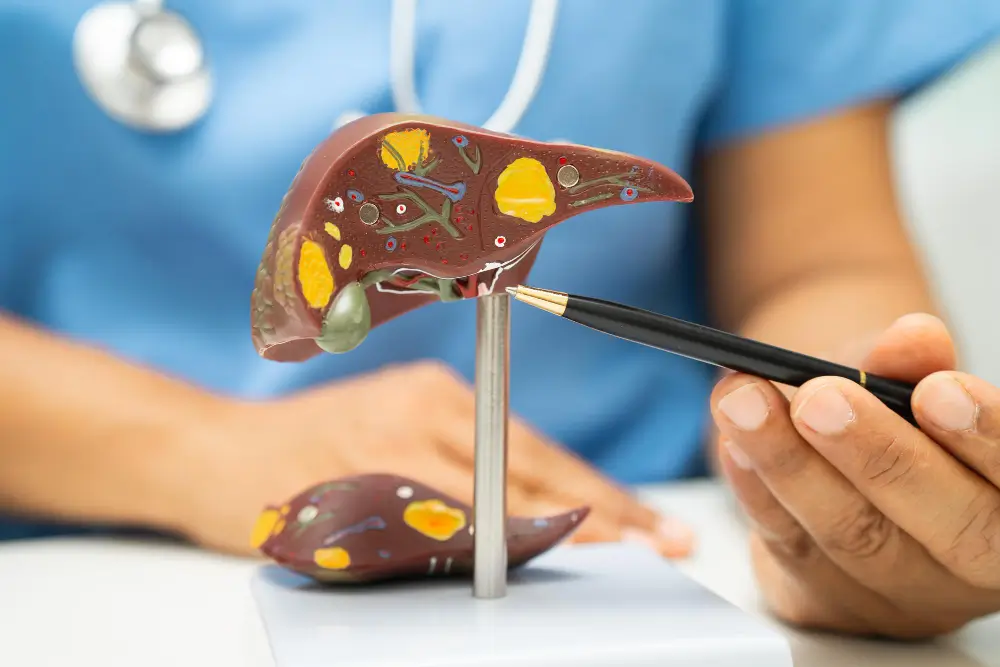
Fatty liver disease is one of the most common liver conditions seen in India, especially among individuals with sedentary lifestyles and poor dietary habits. When diagnosed with fatty liver, many patients are confused about what they can or cannot eat — particularly when it comes to cooking oils and fats. The debate around cold‑pressed oils and ghee often sparks questions among health-conscious individuals and liver patients alike.
In this blog, we explore whether cold‑pressed oils and ghee are suitable for fatty liver patients, how they impact liver health, and what experts like Dr. Amit Gharat from MITR Hospital in Kharghar, Navi Mumbai recommend.
Table of Contents
Fatty liver disease occurs when fat builds up in liver cells. It is categorized as:
If left untreated, fatty liver can progress to inflammation, scarring (fibrosis), or even cirrhosis. Diet plays a crucial role in reversing early-stage fatty liver disease. Reducing saturated fats, processed foods, and trans fats is key but that doesn’t mean all fats are bad.
Cold-pressed oils are extracted from seeds or nuts without the use of heat or chemicals. This method retains essential nutrients, antioxidants, and healthy fats like:
Common cold-pressed oils include:
These oils are less processed and free from harmful trans fats, making them a healthier choice for liver health.
Yes in moderation. Cold-pressed oils contain healthy fats that may help improve insulin sensitivity and reduce liver fat accumulation. They also have anti-inflammatory properties that are beneficial for liver repair.
Benefits of cold-pressed oils for fatty liver:
However, overconsumption of any oil, including healthy ones, can still lead to weight gain, a major risk factor for fatty liver. So, always use in moderation.
Pathological phimosis occurs when the foreskin becomes scarred or tight due to repeated infections or forced retraction. This may require medical or surgical treatment.
Ghee, or clarified butter, is a staple in Indian kitchens. It contains saturated fats and fat-soluble vitamins like A, D, E, and K. While traditionally labeled as fattening, new studies suggest that pure desi ghee in small amounts can be beneficial due to its butyrate content — which supports gut and liver health.
Dr. Amit Gharat from MITR Hospital in Kharghar, Navi Mumbai, explains that a spoon of ghee daily, especially when paired with a healthy diet, can actually help fatty liver patients by:
Again, the key is portion control. Large quantities of ghee are not recommended.
Best Practices for Using Fats in Fatty Liver Diet
Do’s:
Don’ts:
According to Dr. Amit Gharat, a liver specialist at MITR Hospital in Kharghar, Navi Mumbai, incorporating good-quality fats like cold-pressed oils and small amounts of ghee can be part of a healthy liver diet.He advises:
“Instead of eliminating all fats, choose the right kind. Cold-pressed oils and ghee, when used wisely, support liver function and metabolism. Always consult your doctor before making dietary changes if you have fatty liver disease.”
Cold‑pressed oils and ghee are not only safe but also beneficial for fatty liver patients — when used mindfully. Choosing the right fats and practicing portion control can aid in liver healing and prevent disease progression. Trust experts like Dr. Amit Gharat from MITR Hospital in Kharghar, Navi Mumbai for guidance on crafting a liver-friendly diet.
Fatty liver disease occurs when excess fat accumulates in the liver. It can be non-alcoholic (NAFLD) or alcohol-related (AFLD) and may progress to inflammation, fibrosis, or cirrhosis if left untreated.
Yes, early-stage fatty liver disease can often be improved or reversed through healthy eating habits, weight management, regular exercise, and lifestyle modifications.
Cold-pressed oils are extracted from seeds or nuts without heat or chemicals, helping preserve beneficial nutrients, antioxidants, vitamins, and healthy fats.
Yes, cold-pressed oils can be beneficial when consumed in moderation, as they contain healthy fats that may support liver health and reduce inflammation.
Cold-pressed olive oil, flaxseed oil, mustard oil, and coconut oil are commonly used options that may support overall health when included as part of a balanced diet.
Yes. Although healthier than refined oils, excessive consumption of any oil can increase calorie intake, contribute to weight gain, and negatively affect fatty liver management.
Yes, pure homemade ghee can be consumed in small quantities. It contains fat-soluble vitamins and butyrate, which may support digestion and overall metabolic health.
A small amount, such as about one teaspoon daily, may be suitable for many individuals. However, the ideal quantity depends on overall diet, weight, and medical advice from a healthcare professional.
Patients should avoid trans fats, hydrogenated oils, vanaspati, repeatedly heated oils, and highly processed foods containing unhealthy fats.
No. Healthy fats are important for overall health. The focus should be on choosing quality fats like cold-pressed oils and moderate amounts of ghee while maintaining portion control and a balanced diet.