


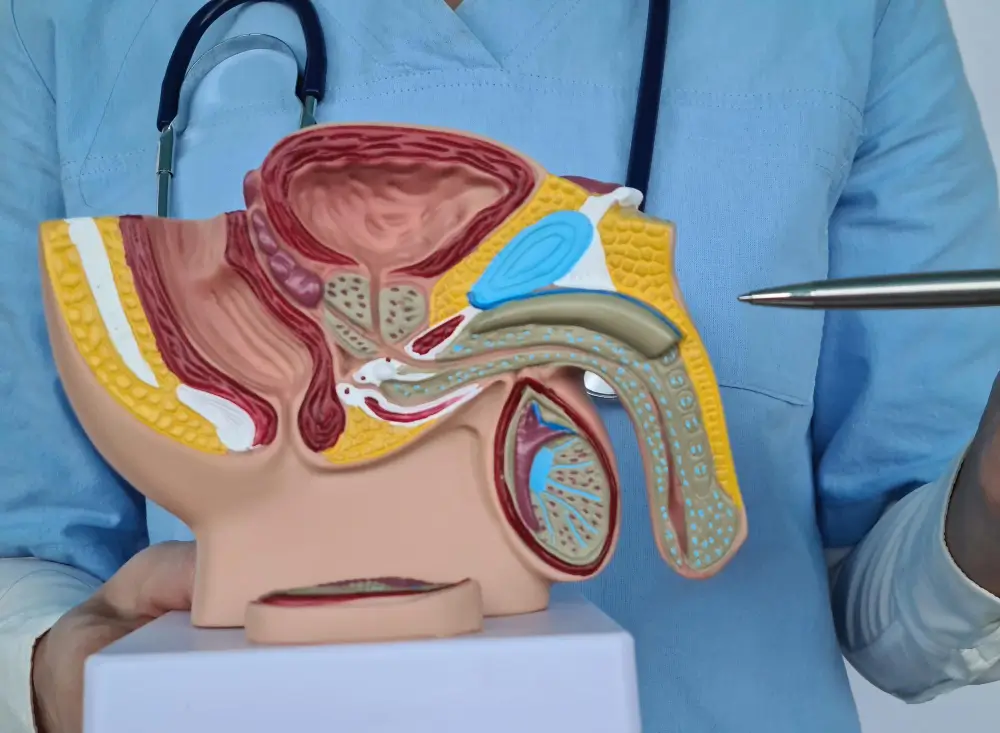
Phimosis in children is a condition that often raises concern among parents, especially when they notice difficulty in retracting their child’s foreskin. However, in many cases, phimosis is a completely normal part of a child’s development and doesn’t require medical intervention. Understanding the difference between physiological (normal) and pathological (abnormal) phimosis is essential for timely and appropriate care.
At MITR Hospital in Kharghar, Navi Mumbai, our pediatric urology experts help parents distinguish between what’s normal and what requires treatment, ensuring peace of mind and healthy outcomes.
In this blog, we’ll explore the causes, symptoms, treatment options, and when to consult a pediatric urologist.
Table of Contents
Phimosis is a condition where the foreskin cannot be fully retracted over the head of the penis (glans). In young boys, this is often a natural occurrence and typically resolves on its own by 5 years of age. In fact, most boys are born with non-retractable foreskin, and this is termed physiological phimosis.
In children till 5 years of age, the foreskin remains attached to the glans and may not retract. This is a normal developmental stage and doesn’t indicate any problem.
By the age of 5, the foreskin usually becomes more retractable.
Pathological phimosis occurs when the foreskin becomes scarred or tight due to repeated infections or forced retraction. This may require medical or surgical treatment.
If your child is showing any of the above symptoms, it’s best to consult a pediatric urologist for a proper diagnosis.
Pathological phimosis is usually the result of:
At MITR Hospital in Kharghar, Navi Mumbai, we begin with a physical examination and medical history. Most cases of phimosis in children do not require surgery and can be treated medically by local application of steroid cream.
In severe cases or after failed local steroid therapy, circumcision may be recommended. This is a minor surgical procedure that involves removing the foreskin over the glans. Our team ensures the procedure is done safely and with minimal discomfort.
At MITR Hospital in Kharghar, Navi Mumbai, we specialize in pediatric urology care and provide compassionate treatment tailored to the needs of children and their families. Our experienced urologists use evidence-based approaches to manage phimosis in children safely and effectively.
Understanding phimosis in children is important for preventing unnecessary worry and avoiding inappropriate treatment. While it’s often a normal part of growth, some cases may need medical attention. Always observe your child’s symptoms and consult a pediatric urologist if you’re unsure.
At MITR Hospital in Kharghar, Navi Mumbai, we’re here to provide the best possible care for your child with a focus on comfort, safety, and long-term health.
Phimosis is a condition in which the foreskin cannot be fully retracted over the head of the penis (glans). In young boys, this is often a normal part of development.
Yes. Most boys are born with a non-retractable foreskin, known as physiological phimosis, which usually resolves naturally as they grow.
In many children, the foreskin gradually becomes more retractable by around 5 years of age, although this can vary from child to child.
Normal phimosis typically causes no pain, difficulty urinating, redness, swelling, or infections and does not interfere with daily activities.
Parents should seek medical advice if the child experiences painful urination, recurrent infections, redness, swelling, ballooning of the foreskin during urination, or visible scarring.
Pathological phimosis may result from repeated infections, poor hygiene, forceful foreskin retraction, or conditions such as Balanitis Xerotica Obliterans (BXO).
Yes. Many cases can be successfully managed with topical steroid creams, gentle foreskin care, and improved hygiene practices under medical supervision.
No. Circumcision is usually considered only in severe cases or when conservative treatments such as steroid therapy are unsuccessful.
No. Forceful retraction can cause pain, injury, scarring, and increase the risk of pathological phimosis. Gentle hygiene practices are recommended.
You should consult a pediatric urologist if your child has persistent symptoms, recurrent infections, painful urination, foreskin scarring, or if you are unsure whether the condition is normal or requires treatment.