
Understanding Endometriosis: Symptoms, Diagnosis, and Management
- Home
- Gynecology
- Understanding Endometriosis: Symptoms, Diagnosis, and Management
- MITR Hospital
- 0 Comments
Understanding Endometriosis: Symptoms, Diagnosis, and Management
Endometriosis is a chronic condition that affects millions of women worldwide, yet its impact often remains misunderstood. Characterized by the growth of tissue similar to the lining of the uterus outside of the womb, endometriosis can lead to a range of symptoms and complications that significantly affect a woman’s quality of life.
Symptoms of endometriosis can vary from person to person but commonly include severe abdominal pain during menstruation, often requiring medication and sometimes resulting in missed workdays. Other symptoms may include heavy menstrual flow with clots, nausea, and even fainting episodes. In some cases, endometriosis can lead to the formation of cysts within the reproductive organs, further exacerbating the discomfort and complications associated with the condition.
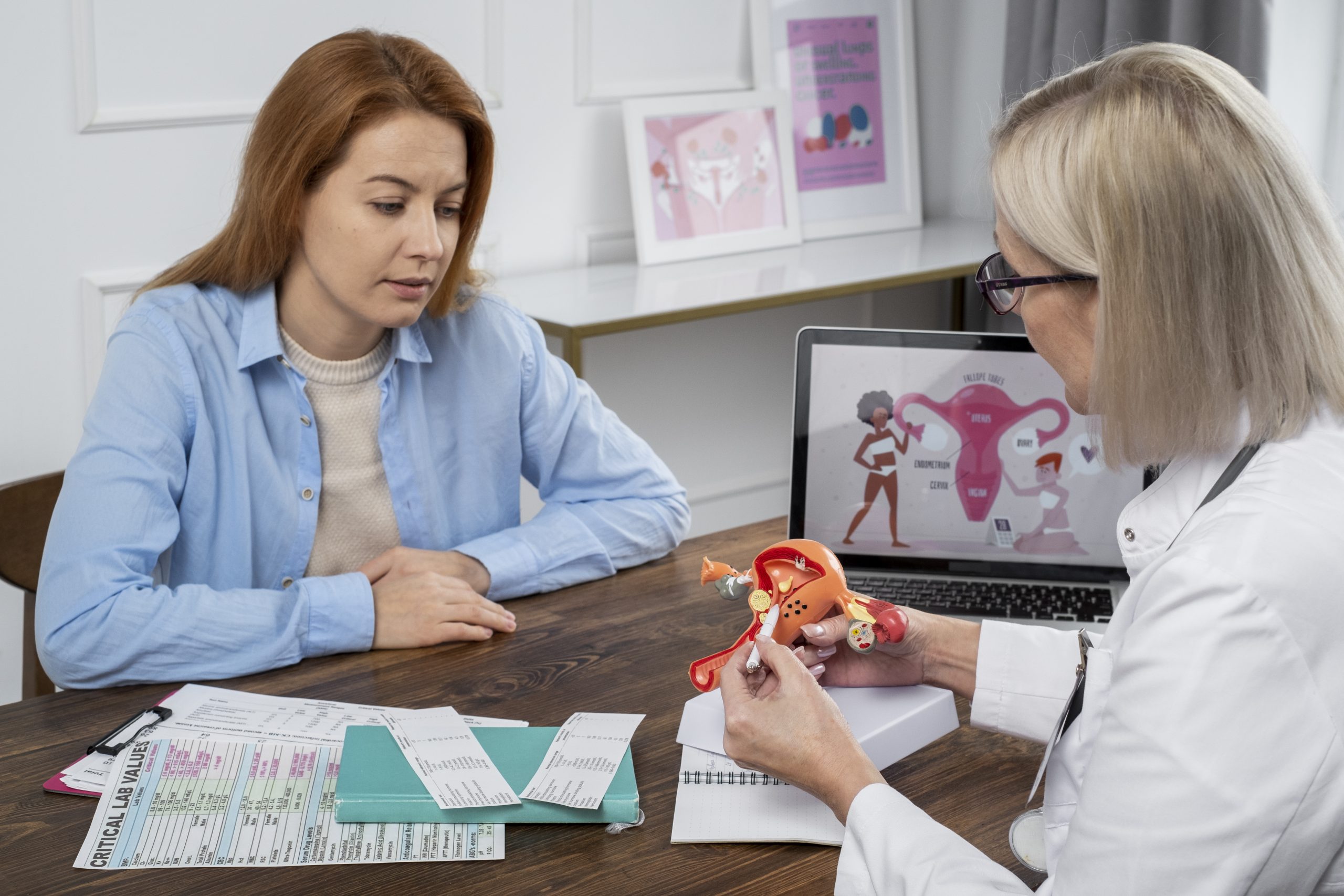
Diagnosing endometriosis typically involves a combination of methods. Patient history and physical examination by a skilled gynecologist in Kharghar, Navi Mumbai play crucial roles, as they provide insights into the individual’s symptoms and medical background. Additionally, imaging tests such as ultrasound can help visualize any abnormalities in the pelvic region. A blood test known as CA-125 may also be conducted to assess the levels of a protein associated with endometriosis, although this test alone is not conclusive.
It’s important to note that endometriosis isn’t confined solely to the reproductive organs. In some cases, the condition can affect the digestive or urinary systems, leading to further complications and discomfort for the individual.
Managing endometriosis often involves a multi-faceted approach aimed at alleviating symptoms and improving quality of life. Medical management typically includes hormonal treatments combined with pain management strategies to help alleviate menstrual pain and reduce the growth of endometrial tissue.
In cases where endometriotic cysts are present and causing significant complications, surgical intervention may be necessary. Surgery is often performed to remove these cysts and any surrounding tissue that may be affected by the condition. The best hospitals in Kharghar, Navi Mumbai offer advanced surgical options to address such cases effectively. In rare instances where endometriosis has infiltrated the bowel or urinary system, more radical surgical procedures may be considered to address the extent of the disease.
Overall, endometriosis is a complex and challenging condition that requires careful management and support from healthcare professionals. By consulting an experienced gynecologist in Kharghar, Navi Mumbai and seeking care at the best hospitals in Navi Mumbai, individuals affected by endometriosis can better navigate their healthcare journey and access appropriate treatment to improve their quality of life.
FAQs Understanding Endometriosis: Symptoms, Diagnosis, and Management
Endometriosis is a condition where tissue similar to the lining of the uterus grows outside the womb, causing pain and other complications.
Common symptoms include severe menstrual pain, heavy bleeding, abdominal pain, nausea, fainting episodes, and painful periods.
Yes, endometriosis can affect reproductive organs and may lead to fertility challenges in some women.
Diagnosis usually involves medical history evaluation, physical examination, ultrasound imaging, and sometimes a CA-125 blood test.
The CA-125 test measures a protein level that may be elevated in women with endometriosis, although it is not a definitive diagnostic test.
Yes, in some cases, endometriosis can affect the digestive system or urinary tract, causing additional complications.
Treatment may include hormonal therapy, pain management medications, and surgery depending on the severity of the condition.
Surgery may be recommended when endometriotic cysts cause severe symptoms, complications, or do not respond to medical treatment.
Yes, if left untreated, endometriosis symptoms and complications may become more severe over time.
Early diagnosis helps manage symptoms effectively, prevent complications, and improve overall quality of life.