
From Cramps to Cysts: Understanding Ovarian Disorders
- Home
- Gynecology
- From Cramps to Cysts: Understanding Ovarian Disorders
- MITR Hospital
- 0 Comments
From Cramps to Cysts: Understanding Ovarian Disorders
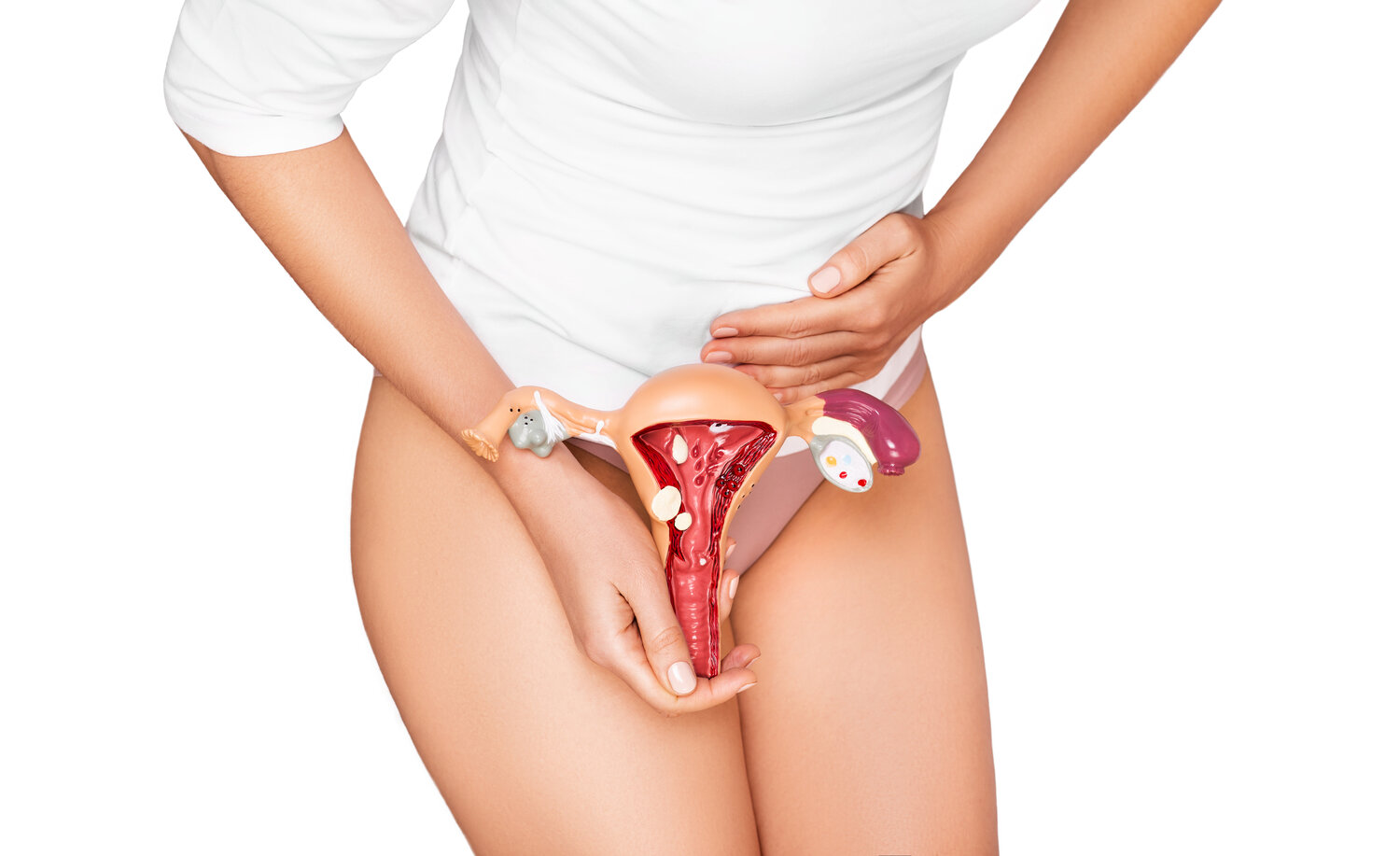
The intricate female reproductive system often encounters a variety of challenges, and among them, ovarian disorders can be particularly perplexing. From the familiar discomfort of menstrual cramps to the more complex realm of ovarian cysts, these disorders impact women of various ages and backgrounds. Let’s delve into the world of ovarian disorders, exploring the causes, symptoms, and management of these conditions.
Table of Contents
- (Ovarian Disorders) Understanding Menstrual Cramps:
- Exploring Polycystic Ovary Syndrome (PCOS):
- Navigating Ovarian Cysts:
- Unravelling Endometriosis:
- The Role of Hormonal Imbalances:
- Management and Treatment Options:
- Bottom line:
- FAQs Best Hospital in Kharghar: Advanced Healthcare Services at MITR Hospital
(Ovarian Disorders) Understanding Menstrual Cramps:
For many women, menstrual cramps are a monthly companion, marking the onset of the menstrual cycle. These cramps, known as dysmenorrhea, are typically caused by the contraction of the uterine muscles to shed the uterine lining. While common, severe cramps may indicate an underlying issue, and it’s essential to distinguish between normal discomfort and abnormal pain.
Exploring Polycystic Ovary Syndrome (PCOS):
PCOS is a prevalent ovarian disorder characterized by hormonal imbalances and the formation of small cysts on the ovaries. This condition can manifest in a range of symptoms, including irregular menstrual cycles, acne, excessive hair growth, and fertility issues. Understanding PCOS involves recognizing its multifaceted nature and addressing both its hormonal and lifestyle components.
Navigating Ovarian Cysts:
Ovarian cysts are fluid-filled sacs that can develop on or within the ovaries. While many cysts are harmless and resolve on their own, others may cause pain or lead to complications. Polycystic ovaries, a feature of PCOS, are different from ovarian cysts, highlighting the importance of accurate diagnosis and proper management.
Unravelling Endometriosis:
Endometriosis is a condition where the tissue that lines the uterus grows outside the uterus. This displaced tissue can cause inflammation, pain, and the formation of cysts called endometriomas. Recognizing the symptoms, which may include pelvic pain, painful periods, and fertility issues, is crucial for early intervention and effective management.
The Role of Hormonal Imbalances:
Hormonal imbalances play a significant role in many ovarian disorders. Whether it’s an excess of androgens in PCOS, irregularities in estrogen and progesterone, or disruptions in the delicate hormonal dance of the menstrual cycle, restoring balance is often a key focus in managing these conditions.
Management and Treatment Options:
The approach to managing ovarian disorders varies based on the specific condition and its severity. Lifestyle modifications, hormonal therapies, and, in some cases, surgical interventions may be recommended. For fertility-related concerns, tailored fertility treatments and assisted reproductive technologies may offer hope.
Bottom line:
From the monthly discomfort of menstrual cramps to the complexities of ovarian cysts, understanding ovarian disorders requires a nuanced perspective. Navigating these conditions involves not only addressing symptoms but also considering their impact on overall health and well-being. As we unravel the intricacies of these disorders, the importance of timely diagnosis, personalized treatment plans, and ongoing medical support becomes evident. By fostering awareness and understanding, we empower women to take charge of their reproductive health and seek the necessary care for a balanced and fulfilling life.
FAQs Best Hospital in Kharghar: Advanced Healthcare Services at MITR Hospital
Ovarian disorders are medical conditions that affect the ovaries and reproductive system, including conditions such as PCOS, ovarian cysts, endometriosis, and hormonal imbalances.
Menstrual cramps occur due to contractions of the uterine muscles that help shed the uterine lining during menstruation. Severe cramps may sometimes indicate an underlying condition.
Menstrual pain may be considered abnormal if it is severe, worsens over time, interferes with daily activities, or is accompanied by other symptoms such as heavy bleeding or pelvic pain.
PCOS (Polycystic Ovary Syndrome) is a hormonal disorder that may cause irregular periods, acne, excessive hair growth, weight changes, and fertility challenges.
No. Ovarian cysts are fluid-filled sacs that develop on the ovaries, whereas PCOS is a hormonal disorder that may involve multiple small cysts and additional symptoms.
Endometriosis is a condition in which tissue similar to the uterine lining grows outside the uterus, causing pain, inflammation, and sometimes fertility-related concerns.
Common symptoms include pelvic pain, irregular periods, painful menstruation, bloating, acne, excessive hair growth, and fertility issues.
Hormonal imbalances can disrupt the menstrual cycle, ovulation, and ovarian function, contributing to conditions such as PCOS and other reproductive health issues.
Diagnosis may involve a medical history review, physical examination, blood tests, hormone evaluation, and imaging tests such as ultrasound scans.
Treatment options may include lifestyle changes, medications, hormonal therapy, fertility treatments, or surgery depending on the condition and severity.